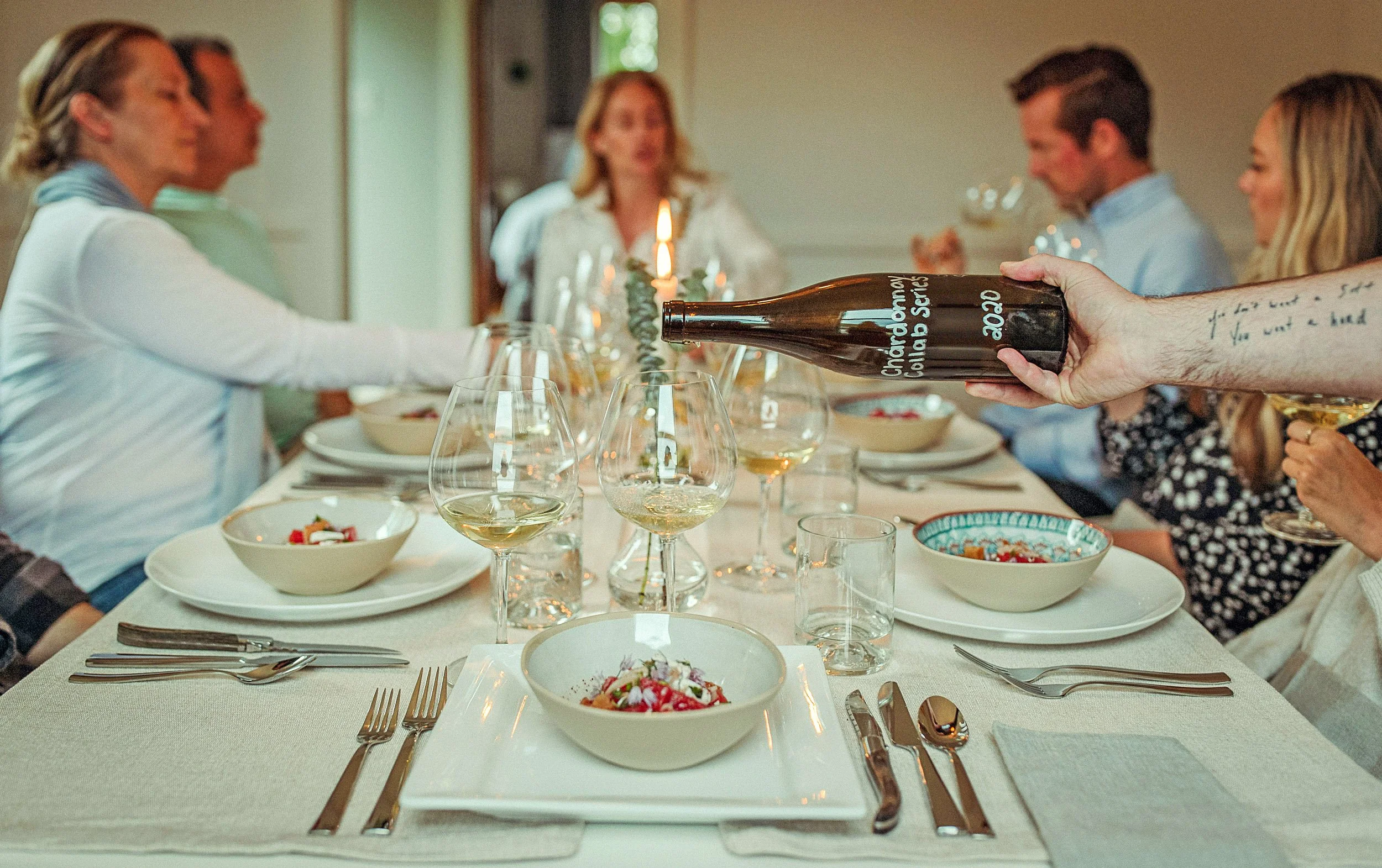
“The gap between perceived value and the true cost of doing business is becoming unmanageable”: Chef David Schwartz
A recent article in Toronto Life by Chef David Schwartz refreshingly sheds light on the plight of struggling restaurants in today’s challenging economy. The article concentrates on the idea of the decline of perceived value versus the actual rising costs of running a restaurant. Schwartz’s perspectives raise further conversation about why restaurants end up in their predicaments in the first place.
The answers lay in the Emotional Value delivered
In our perspective, when any consumer engaging in a premium or discretionary category like a restaurant or a winery experience complains about price and value, it’s rarely truly about price and generally because the business, product or restaurant failed to provide the expected or desired "emotional value” in return for the spend.
Emotional value is not portion size. But rather a non-comparable experience and emotional refill that leaves the audience feeling fulfilled, rewarded and needing more. Emotional value drives the need to be a part of what’s being offered so that the consumer or guest feels like their lives have been enriched and better off as a result of engaging in the product or experience.
In the case of restaurants, many need to do more in the offering of emotional value. Doing more doesn’t have to cost more. It just starts with the goal to recognize the needs and drivers of the guest and then to do better at delivering it. Clearer understanding, better preparation, more care and training and a genuine desire to do it well.
In general, audiences are a simple lot. We’re pretty much all the same and share similar needs and drivers. We desire, among other things, the following emotional value list:
to have fun, a good time, feel joy
to engage with uniqueness, so as to ourselves feel special and less like a number
to be around honesty, sincerity and authenticity
we need to assemble a sense of self identity through the people, ideas and material things we engage with or gather
we strive to earn the feeling of being attached, recognized, wanted, missed, valued
we like to learn and grow and have people respect our progress
we desire to build on our experiences toward feeling seasoned and sophisticated from this journey
many thrive to spend time in intentional and evocative spaces be they inspirational, emotional, stylish, warm and welcoming
we yearn to be inspired by the people behind the goods and experiences with their stories and craft
All of these things are valued much higher than money or the cost. It’s not unlike people's own work compensation — where employees will often take this list of needs above a pay raise. And consumers will always feel fulfilled when they attain this list despite a higher actual price compared to the competition.
Increase the Emotional Value or Perish
In our opinion, this is the basis of justified premiumization, where many brands and discretionary offerings have raised their prices in order to offer more enriching experiential relationships, craft and people while also improving their margins. In essence the higher price ecosystem supports the platform for the offering to be more about the list — a unique and enriching proposition that audiences find compelling and for which they’re willing to prioritize and shed less emotionally valued goods and services in their routines for higher emotional value alternatives.
Sadly though, what we see is that most restaurants are failing to deliver on justified premiumization wrapped around the list. Rather, they’re just raising their prices without improving their emotional value, and drifting into price sensitivity and pushback with their guests. The result, as well illustrated by Chef David Schwartz, is that restaurants then fall into the deadly tailspin of a price focused value engineering of the offering — a shrinkflation by cost cutting the experience, value pricing the menu, making the offering more "something for everyone" generic and ultimately becoming indistinguishable from the struggling pack.
Failing to back up price increases with care and attention to the emotional value list, restaurants and other offerings get relegated to the category of "poor value and not worth my time". During the slide, guests still go because they have no other choice. But eventually, when given the chance to change venues, they are quick to jump in hopes the next place will be different. Hence the popularity of the new restaurant up the street.
What’s on your brand’s Emotional Value List?
To better understand your super powers in how the emotional value list relates to your brand and offering, reach out and we’ll help you strategize, reveal and prioritize your emotional value.
Cheers