Nerd alert! This post gets geeky, but if you are in the alc./bev. industry, it’s for you.
Subject: Portfolio Organization & Optimization
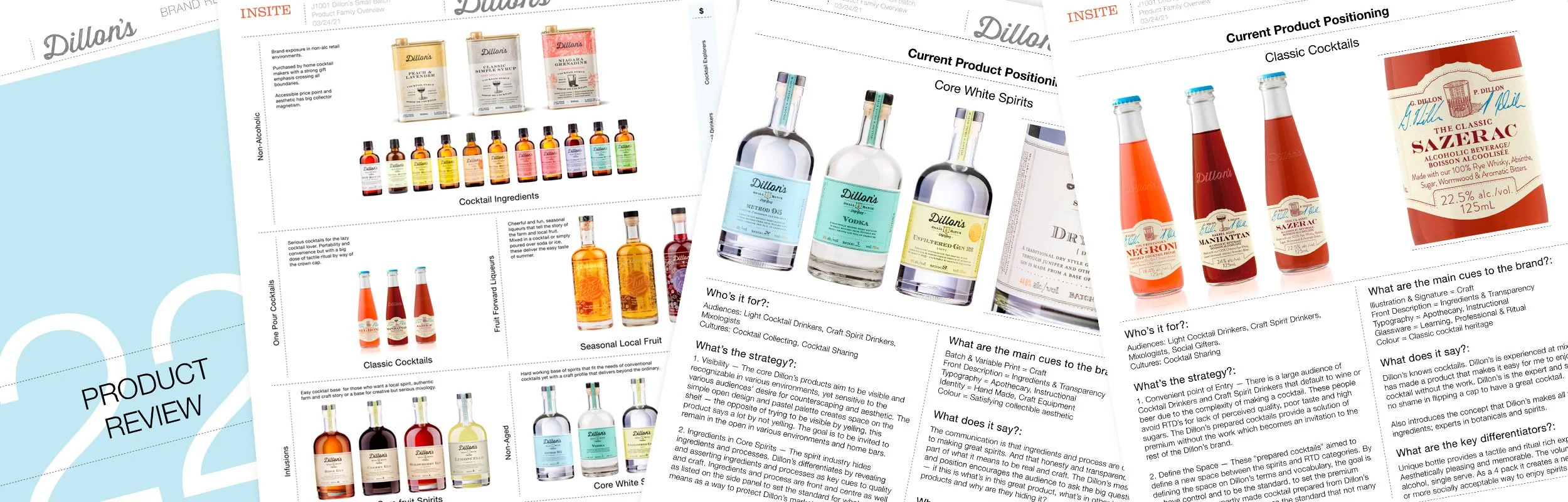
One of the strategic ways we assist our alc./bev. clients is in organizing and optimizing their product portfolios. There’s a lot of depth to this but one cool part of the process is our attention to developing and attaching story to product tiers and the products themselves.
For wine, as an example, not only do we strategically sort the portfolio into tiers and practical sub-groups — such as by winemaking methods, price, varietals etc. — we also then define associated audience, purpose and key messages for each product group which needs to be conveyed. Doing this helps to make sense of the products to the audience and importantly, focuses your team — so that when the label designers, sales & marketing or social media content people are looking to tell the story of a particular wine — conveying why the product matters to the audience — they can start from the portfolio guide to direct them.
All this is to say that we ensure that each tier or grouping of products has an associated core brand message that is this tier’s/group’s job to tell. And if this story and pillar message doesn’t exist, we circle back into the brand's foundation, or even the business, and develop it. It’s an incredibly important and valuable process for any alcohol company, not just wine.
People, place and experience.
Now for a little more nerdery on stories.
When we build wine or alcohol brands from scratch, we ensure that the brand is built on a core set of brand pillars. And in conjunction with that we uncover or create a series of key relevant and valuable assets around which we build story. These assets are the brand’s people, place and experiences — it’s all audiences care about in terms of assets.
The people need to be those who are important to the brand such as with ownership, lead distillers with unique backstories or charismatic winemakers and chefs with values and methodology.
The place is interesting history connecting to community, or a special building with significance to the place, cool opinion rich spaces or even a unique natural feature on site.
And the experiences are unique activities that the people do to exemplify their craft in the making the product, or cool traditions that involve those most engaged, special ways to include the audience, gatherings that connect the people with the audience, demonstrations or ways to include the audience in production — all with the goal of being authentic and unique to the brand and goals for the product which then become important assets to the audience.
Then, we attach every wine tier & product group to the combination of brand pillar and asset and write associated rationale and story along with the purpose or benefit of the asset to the audience, thereby ensuring that the products become the vehicle for storytelling about the winery’s asset and core emotional value or pillar message.
The products become the vehicles for relaying physical and emotional assets — and trigger the audiences’ associated memory cues that help them recall key brand info and message — leading to brand uniqueness, learning and a deeper emotional value to them.
Phew.
So organizing portfolios is bigger than just an org chart.
If you think a Portfolio Strategy or Portfolio Optimization would be helpful for your brand, shoot us a note.